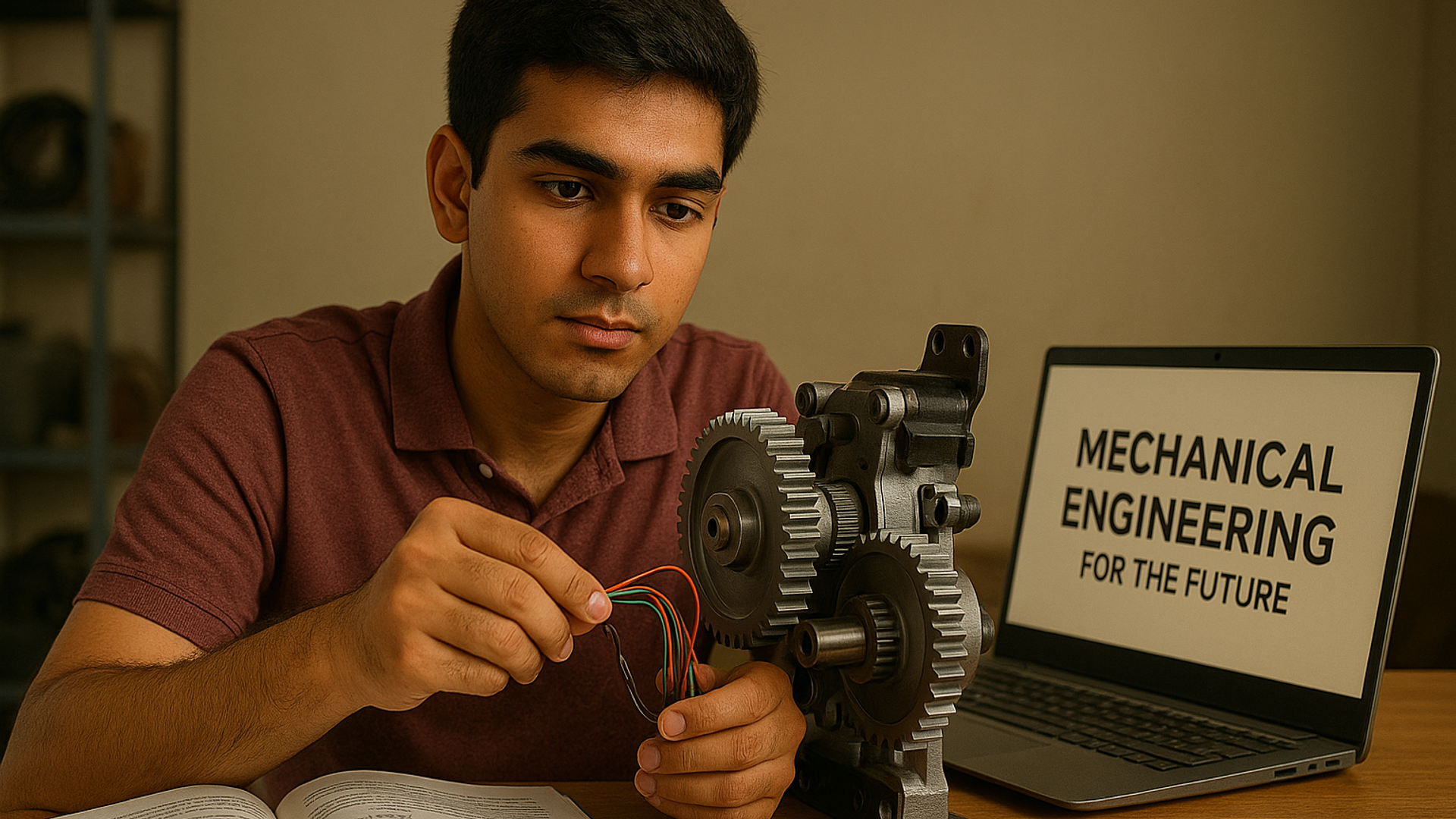
Mechanical engineering for the future
Honest, practical guide to mechanical engineering for Tamil Nadu students and parents, covering scope, exams, colleges, mistakes, and counseling support.
If you are thinking, “Is mechanical engineering still worth it or is it an outdated branch?”, you are not alone. Many Tamil Nadu students and parents are confused because they hear one thing from relatives, another thing from coaching centres, and a totally different thing from social media. This confusion is natural: you want a branch that offers scope, decent salary, social respect, and importantly — fits the student’s interests. At the same time, the constant chorus of “all jobs are going to IT” or “mechanical has no placements” makes the choice feel risky. This write-up will sit with you like a mentor and unpack what mechanical engineering really means for the future, especially for a Tamil Nadu student.
Why mechanical still matters
Mechanical engineering is one of the oldest and broadest branches, but that does not make it old-fashioned. It sits at the heart of many growing industries — electric vehicles, robotics, renewable energy, advanced manufacturing, and automation. Wherever something moves, converts energy, or is produced in high volumes, mechanical engineering plays a central role. In India the automotive, aerospace, railways, defence, refrigeration, HVAC and heavy machinery sectors continue to rely heavily on mechanical engineers; these aren’t industries likely to vanish in 10–15 years. On top of that, the sustainability push and renewable-energy expansion have created new roles in wind turbines, solar-tracking systems, battery-pack design and thermal management — areas where mechanical knowledge is essential. In short, the branch is evolving: classical mechanics meets modern simulation, electronics and data — and that combination keeps mechanical highly relevant.
The Tamil Nadu student’s dilemma
For a typical Class 11 or 12 student in Tamil Nadu the confusion usually starts in three places: school, coaching and family conversations. In school you may enjoy physics and get curious about engines or gear trains, yet no one explains the daily work of a mechanical engineer. Coaching centres emphasise ranks and exam strategy rather than career clarity. At home relatives may push CSE because it looks safe or lucrative. Parents are caught between nostalgia for core branches and worry over placement data they see on social media. This emotional mix — genuine interest on one hand and external pressure on the other — creates the dilemma that many students face. What you need is a calm, honest look at the branch rather than panic-driven decisions.
Reality check: placements and scope
The common worry is, “Will I get a job if I choose mechanical?” The honest answer: yes, mechanical has scope, but it’s not automatic. In many private colleges, core company visits are fewer than IT drives, and students who stop at textbook learning often struggle in placements. Conversely, strong institutes in Tamil Nadu and across India still show solid mechanical placements when students combine fundamentals with communication skills and industry-ready tools. Mechanical also offers flexibility: many graduates move into IT, analytics or software after learning programming because employers value their quantitative problem-solving. A mechanical student who picks up CAD/CAE tools, basic programming and some data skills keeps doors open — design roles, core manufacturing, R&D, and hybrid tech roles in EVs and automation.
Mechanical in the age of EVs, robots, and AI
When you hear about “future technologies” like EVs, drones, 3D printing, Industry 4.0 and smart factories, it may sound like everything is electronics or software. In reality, mechanical engineers form a large part of these teams. EVs need people who understand chassis design, suspension, braking, thermal management of batteries and motor integration. Drones and robots need lightweight frames, actuators and mechanisms designed for reliable motion. Smart factories rely on conveyors, jigs and fixtures — all engineered mechanically — while sensors and software sit on top of these physical systems. A student who combines mechanical fundamentals with software, controls or mechatronics will be highly employable for the next decade. The branch isn’t dying; it is being reshaped by new tech.
What kind of student suits mechanical
Mechanical engineering fits students who enjoy understanding “how things work” rather than just memorising formulas. If you like visualising forces, motion and energy, or feel excited seeing engines, gearboxes and industrial machines, mechanical can be deeply satisfying. The branch mixes classroom theory with hands-on lab and workshop work, so it suits students who are comfortable with both. That said, be honest with yourself: subjects such as solid mechanics, thermodynamics, fluid mechanics and machine design need steady practice and patience. Mechanical is not impossible for an average student, but it’s not a branch you can cruise through with last-minute cramming. Regular effort across semesters is essential if you want both good learning and good placements.
Understanding entry routes: TNEA, JEE, and others
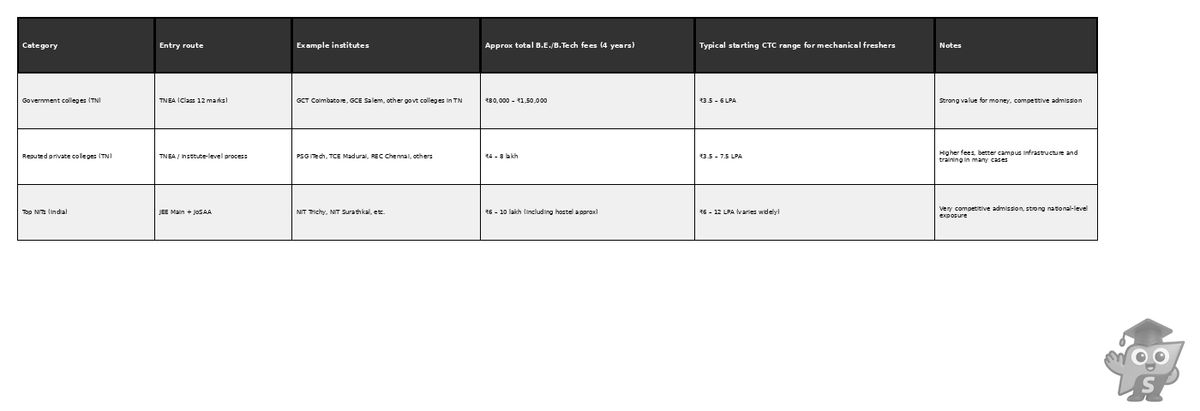
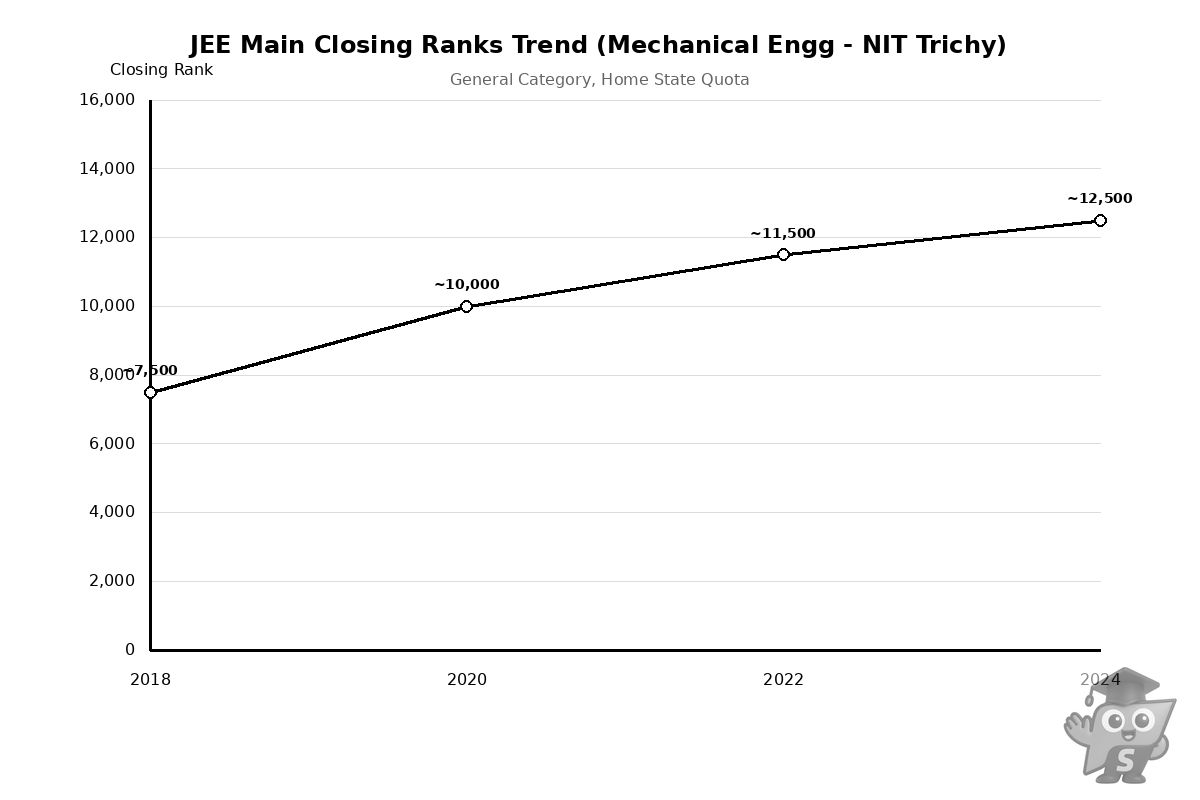
In Tamil Nadu you typically enter mechanical through TNEA counselling based on Class 12 marks or through JEE Main for NITs and other national institutes; COMEDK and state-level exams are alternatives if you consider colleges outside Tamil Nadu. Entry requirements vary: top institutes like NIT Trichy have historically required competitive JEE ranks, while TNEA admissions rely on board marks and offer good options for well-prepared board students. Planning early — whether you follow “board + TNEA” or “board + JEE + TNEA/COMEDK” — makes the admission phase less chaotic. Know the realistic rank ranges of colleges you target and choose a preparation path accordingly.
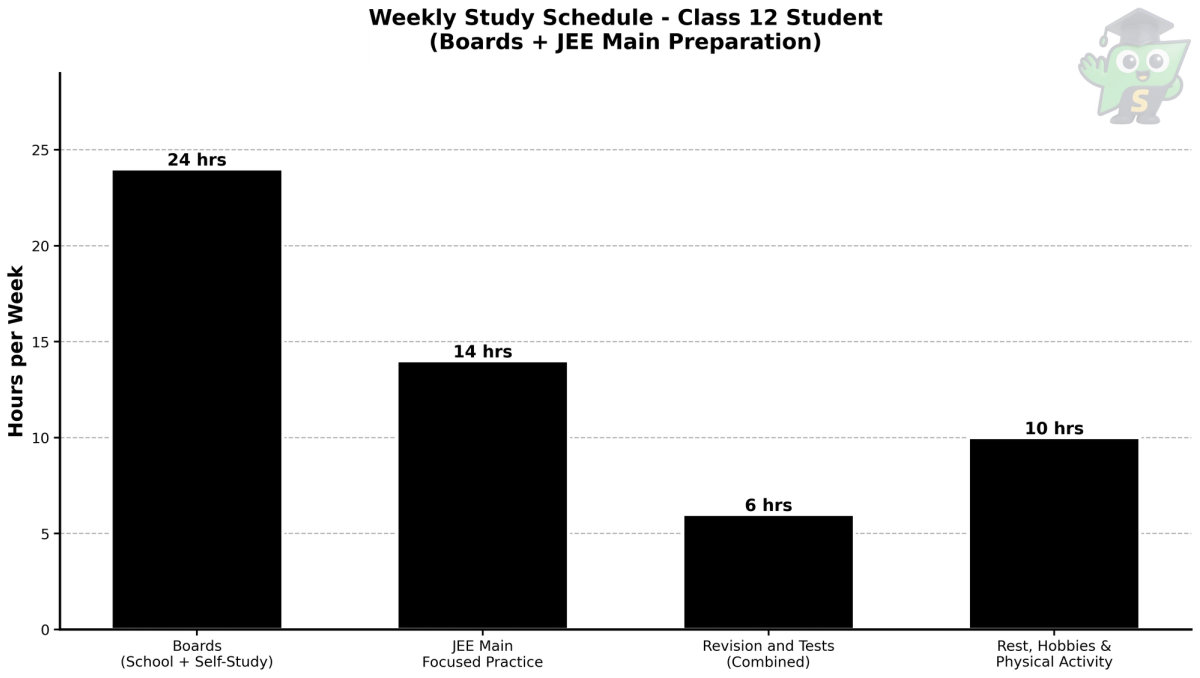
Chart Instruction 1: balancing boards and JEE
How to prepare in Class 11 and 12
If you are in Class 11, the main goal is to build strong basics in physics and maths. Try to truly understand concepts like Newton’s laws, work and energy, rotational motion, heat and thermodynamics, and basic trigonometry and calculus ideas as they appear. These are the roots of many core mechanical subjects later. Class 11 is not only about marks; it is about comfort with thinking and visualising, which separates an average engineering student from a strong one.
In Class 12, things become intense with board pressure, practicals, and entrance preparation. Instead of treating boards and JEE as two separate worlds, try to use a common base. When you study a topic like thermodynamics for boards, solve a few extra conceptual and numerical problems in JEE style. When you revise for school tests, add a small set of mixed questions from coaching or question banks. Over time, this integrated approach reduces stress and saves time. How to Manage Both Board Exams and JEE ,Last 30 Days Before JEE Main
Table Instruction 1: fees and ROI snapshot
Common mistakes Tamil Nadu students make
One big mistake is following the crowd. Many students choose mechanical because a senior said “mechanical is evergreen” without checking their own interest. Others run away from mechanical because everyone in tuition is choosing CSE. Both paths can lead to regret. A second mistake is underestimating skills beyond the syllabus. A mechanical student who never learns CAD, avoids mini-projects or skips internships will struggle in placements. A third mistake is ignoring entrance strategy — some students focus only on boards and later discover that good options required JEE ranks. Being aware of these pitfalls early allows you to course‑correct gently, not at the last minute. Common JEE mistakes Tamil Nadu students make Complete Guide to Engineering Entrance Exams for Tamil Nadu Students
How to gently correct these mistakes
Start with self-reflection: set aside 20–30 minutes, switch off distractions and list what truly excites you — engines, coding, circuits, design or a mix. Then speak with seniors in real colleges, not just social media voices, to understand day-to-day life and placements. Make a simple skill plan: learn one CAD tool (SolidWorks/CATIA), pick up basics of Python or C, and aim for at least one internship and one mini-project each year. Steady, small steps across semesters build a portfolio that matters far more than last-minute hustle.
Choosing colleges and branches wisely
Tamil Nadu offers a broad range of mechanical colleges, from strong government institutes to weaker private colleges. Don’t pick based on distance or hearsay alone; check placement records, lab facilities, faculty and industry tie-ups. Often, mechanical in a good college is a better long-term bet than an IT branch in a poor college, due to brand value, alumni networks and training. Conversely, if the mechanical option is a low-quality college with negligible placements, consider alternatives. A structured comparison of choices against your rank or marks is vital during counselling.
Chart Instruction 2: NIT Trichy mechanical and JEE Main rank
How parents can support in this journey
Parents can help by creating a calm, non-judgmental environment to discuss doubts. Rather than declaring “mechanical has no jobs” or “CSE is only safe,” ask the child what kind of work they imagine at 25 or 30, and listen. Avoid comparing with neighbours or past family decisions. Encourage campus visits, conversations with seniors, and balanced routines that include rest and wellness. Emotional support, practical guidance and realistic expectations make a real difference in both preparation and choice.
Other Helpful Guides for Your Journey
Here are internal links you may want to explore next:
📌 Signs that a student is suited for CS
📌 Mechanical engineering for the future
📌 How to decide between AI ML and core CS
📌 Common mistakes students make while choosing branches
📌 Which branch fits introverts
📌 Which branch fits creative students
📌 Which engineering branch gives the best work-life balance
📌 Branch myths students should ignore
📌 How to compare branch scope in India vs abroad
Where Prof Sam fits into your decision
This whole process – from Class 11 doubts to TNEA or JoSAA counselling – can be overwhelming if you try to handle it alone. Prof Sam’s counseling support is designed exactly for Tamil Nadu families going through these questions. Through one‑to‑one sessions, the student can map their interests, strengths, and personality to branches like mechanical, CSE, ECE, and others, instead of just guessing. This includes helping you decide whether you should write JEE Main seriously or focus mainly on boards and TNEA. Should Tamil Nadu Students Write JEE? Complete Guide to Engineering Entrance Exams for Tamil Nadu Students
When results and ranks come, the real stress often starts. Prof Sam can guide you through branch and college selection using TNEA cut‑off analysis, JEE Main percentile, and realistic placement data, so that you do not miss good options or fall into emotional traps.How to prepare for TNEA cut off based admissions ,TNEA vs COMEDK If you get a JEE Main score that opens NIT/IIIT possibilities, the guidance will help you choose between staying in Tamil Nadu or going out, between mechanical and other branches, and between immediate joining and taking a drop year where it truly makes sense.What rank is needed for NIT Trichy How to Choose Coaching for JEE in Tamil Nadu
A gentle note on marks, ranks, and self‑worth
At the end of the day, marks and ranks are important because they decide which doors open easily, but they do not decide your value as a person. A mechanical engineer from a modest college who keeps learning, builds skills, and stays disciplined can grow into a very strong professional over 5–10 years. A top‑ranker who stops learning after getting a “big name” tag can get stuck. Your journey is more like a marathon than a 100‑metre race.
So, if you are looking at mechanical engineering for the future, see it as a serious, respectable path that needs effort, clarity, and smart planning. Get the right information, correct your mistakes early, talk to mentors, and choose a path that you can walk with both head and heart. Institutes, exams, and branches matter; but in the long run, who you become matters even more.How to Manage Both Board Exams and JEE.
Strengthen your Class 12 fundamentals on ScoreLab
Free video lessons, revision notes, formula sheets, and past-paper MCQs for CBSE Class 12.
Need Personalized Guidance?
Book a consultation with Prof Sam and get expert advice tailored to your child's unique needs.
Book Your Consultation