Why many students regret their college choice
Many Tamil Nadu students regret their engineering college choice; this Prof Sam guide explains why and shows students and parents how to choose better.
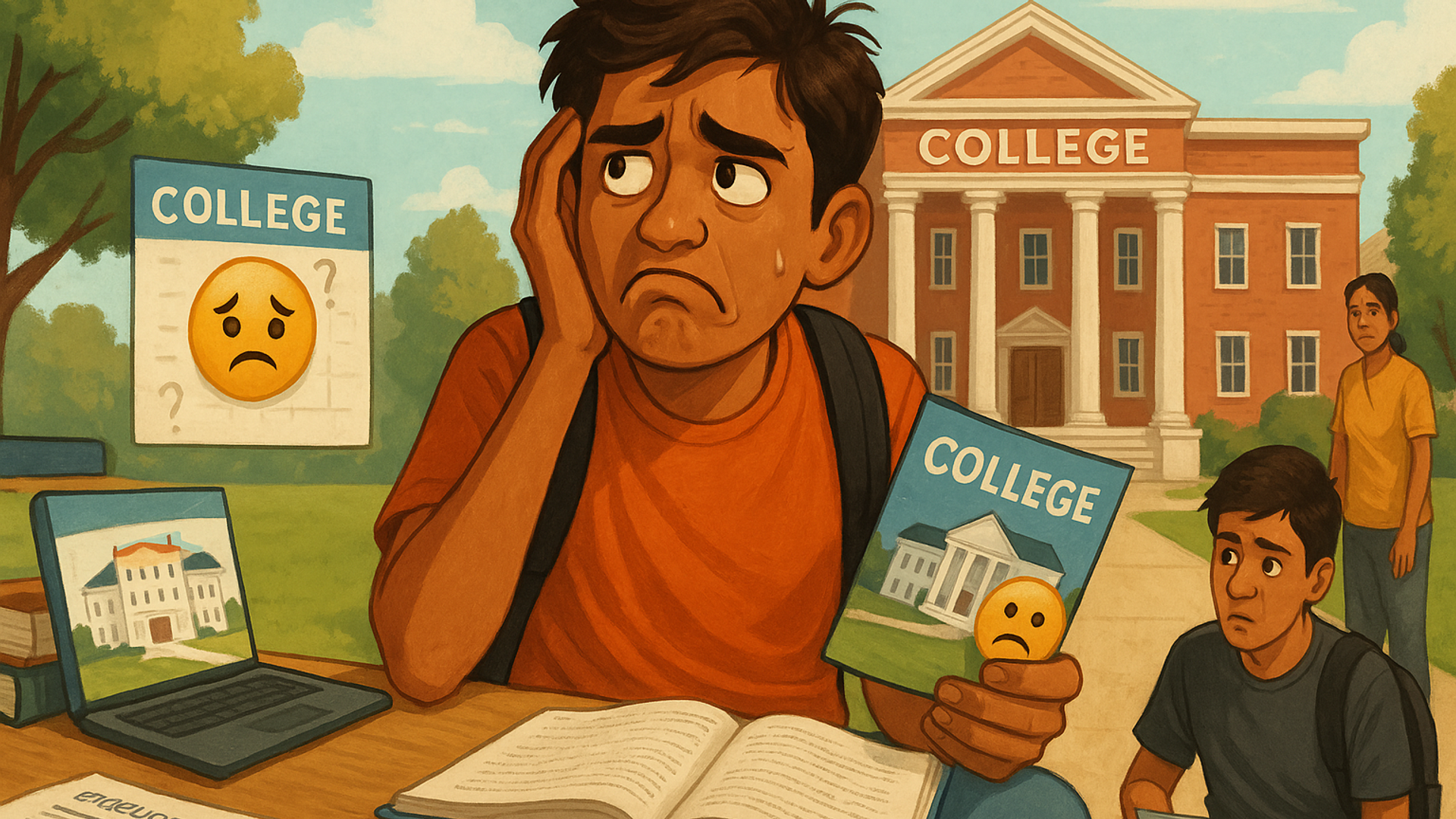
For many Tamil Nadu students, regret starts not in college, but during application and counselling time. Students pick a college or branch in a rush, join in July or August, and by November they start thinking, “Did I make a mistake?”. Some feel stuck in a course they do not enjoy, some feel cheated by weak placement support, and some feel they never explored all their options properly. This hurts because it feels permanent, like life is spoiled, even though that is not really true.
Usually the problem is not one “wrong decision”, but the whole way decisions were taken. Nobody clearly explains the difference between TNEA, JEE Main, COMEDK or NIT/IIIT paths, or how to balance board exams and entrance preparation. Parents worry about fees and safety, relatives push their own opinions, and the student’s own voice becomes very small in the noise. This article is a calm, honest conversation about why regret happens, how you can avoid it, and how Prof Sam’s structured guidance can support you.
The Tamil Nadu reality of regret
In Tamil Nadu, the usual path is simple: study for Class 12, write board exams, apply for TNEA counselling, maybe attempt JEE Main or COMEDK if someone suggests it, and then “see what comes”. Because this is so common, many students treat college choice like a last-minute formality, not a serious project. Cutoffs, college codes, and branch names suddenly become important only during a few intense weeks of counselling, when emotions are already high and online choice filling feels like a nightmare for many families.
Regret mainly appears in three ways. One, the student likes the college atmosphere but hates the branch because the subjects feel dry or irrelevant. Two, the student likes the branch in theory but realises the college has poor teaching, weak labs, or poor placements, especially in lower-ranked institutions. Three, the student later discovers that with a slightly better strategy or by writing exams like JEE Main and COMEDK, they could have accessed better colleges, including NITs and IIITs. Then both student and parents feel they missed a door that was actually open.
How decisions really happen in most families
During counselling season, many Tamil homes share a similar atmosphere. Parents are stressed about money, hostel safety, distance from home, and “what people will say” if the college name is not impressive. Students are scared about branch confusion, maths-heavy subjects, and whether they will get a “good salary” later. Advice floods in from cousins, neighbours, coaching teachers, social media and “top college lists” on other websites.
In this noise, very few families calmly ask, “What does the student actually enjoy studying? What are their real strengths? What kind of campus environment will help them grow for four years?”. Instead, decisions are taken based on simple ideas like “CSE is safe”, “government college is always best”, or “just join something, we can’t waste a year”. The student’s doubts get pushed aside to keep peace in the family. Regret appears later when the reality of classes, labs, and campus life does not match the dream sold during admission.
Common reasons students regret their college choice
Many students choose an engineering branch just because it is trending or their friends are taking it, especially in areas like CSE, IT, AI & Data Science, or Cyber Security. If a student actually dislikes long hours of coding or abstract problem-solving, four years in such a branch can feel like a burden, while those who love machines or circuits often avoid Mechanical or ECE only because people keep repeating that “placements are low” without checking college-wise data and recent trends. At the same time, they may misunderstand how big the quality gap is between top TNEA colleges and weaker ones, accepting far-off or low-quality institutes just to get a “hot branch”, or choosing a famous college name but a branch that does not match their interests, which leads to feeling disconnected from subjects and daily regret.
A deeper root cause behind these choices is lack of awareness about all the paths open to a Tamil Nadu student, such as JEE Main and COMEDK alongside TNEA. Many assume these exams are “only for toppers”, so they never even try with a realistic plan, and later watch friends enter NIT Trichy, other NITs, IIITs, or strong COMEDK colleges while feeling they never stood at the starting line of that race. This is rarely about low ability; it is usually about missing information, late planning, and not having guided conversations on college vs branch, exam choices, and long-term fit during Class 11 and 12.
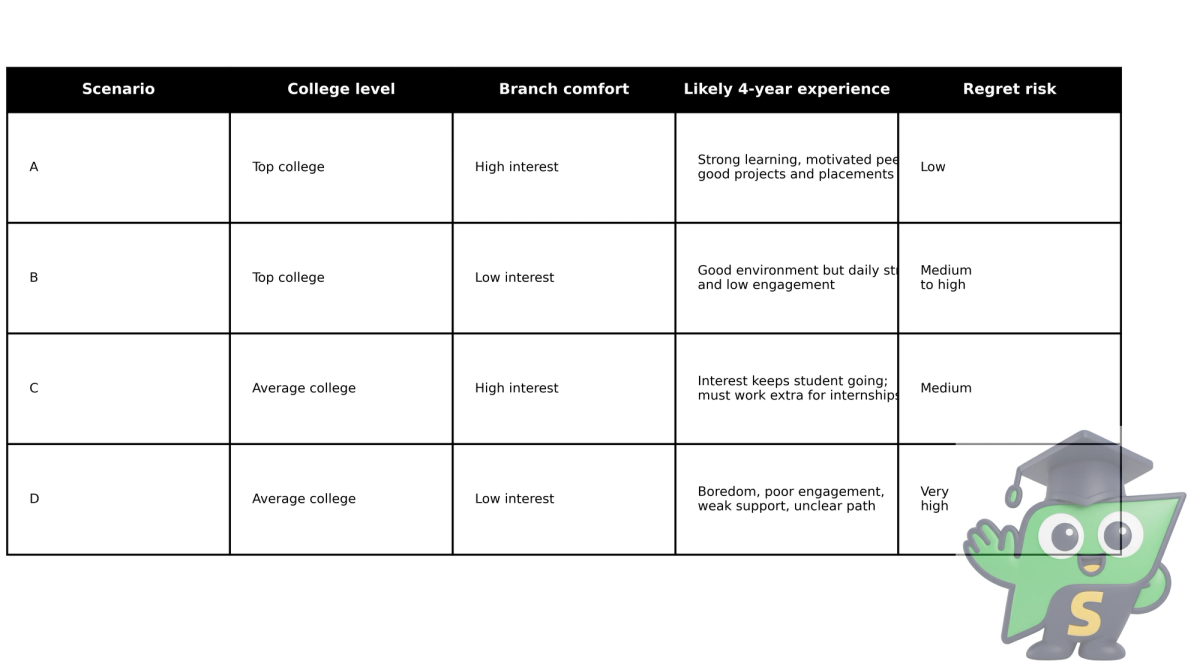
A simple example: college level vs branch fit
Imagine a student from Coimbatore who loves coding but has only an average TNEA cutoff. If they rely only on TNEA, they may get Computer Science in a Tier-3 college with limited exposure. But if they also prepare at a reasonable level for JEE Main and keep COMEDK as backup, they could access better-ranked colleges or even an NIT/IIIT option with a suitable branch. Later, the regret is not only about the brand name, but about missed peer group, projects, and internships.
Now imagine a student with good marks who genuinely enjoys core engineering, but is pressured into CSE in a mid-level private college because relatives insist “IT jobs are safe”. If that student had taken Mechanical or ECE in a top government or reputed private college with strong labs, their four years might have been more engaging and better aligned with their nature. These examples show why you must think carefully about both college level and branch comfort, not copy someone else’s choice.
College level vs Branch comfort
Common mistakes — and gentle corrections
One big mistake is waiting till March or April of Class 12 to think about exams, cutoffs, or branches, focusing only on board marks and assuming TNEA will “take care of everything” later. When counselling starts, students rush through preference lists without really checking branch syllabus or college placement records, whereas a gentler and smarter approach is to start in Class 11 or early Class 12, explore what each branch actually teaches, talk to seniors, and understand the big picture calmly.
Another mistake is blindly trusting a single source like one coaching sir, a neighbour, or one online list, instead of cross-checking whether those suggestions fit your rank, budget, and language comfort. It is much safer to ask clear questions about placements, labs, accreditation, and fees during campus visits or fairs, and to sit for a structured counselling session (for example, with Prof Sam) so that all information comes together for both student and parents. Many students also treat JEE Main and COMEDK as “all or nothing”, skipping them if they don’t expect 99 percentile, even though moderate scores can still open doors to NITs, IIITs and good private colleges that accept JEE scores, including some within Tamil Nadu, so it is healthier to see these as extra doors rather than final judgements on your worth; resources like Complete Guide to Engineering Entrance Exams for Tamil Nadu Students, and TNEA vs COMEDK can help you plan this.
How parents can support better decisions
Parents have a powerful role in reducing college regret. The first support is emotional: listen to what your child enjoys, what scares them, and the kind of work life they imagine. Instead of asking only, “Which college will give high salary?”, also ask, “In which subjects do you feel alive and confident?”. This builds trust and makes honest conversations easier.
The second support is practical: help your child reach correct information and experienced mentors. Attend at least one counselling or guidance session together where someone explains TNEA, JEE Main, COMEDK, NIT/IIIT options and realistic cutoffs for your child’s level. When visiting colleges, go beyond ads; enquire about teaching quality, labs, hostel, campus culture, and past placement data. Internal blogs like How to prepare for TNEA cut off based admissions, Colleges in Tamil Nadu that Accept JEE Main and What rank is needed for NIT Trichy are useful starting points for parent guidance engineering discussions at home.
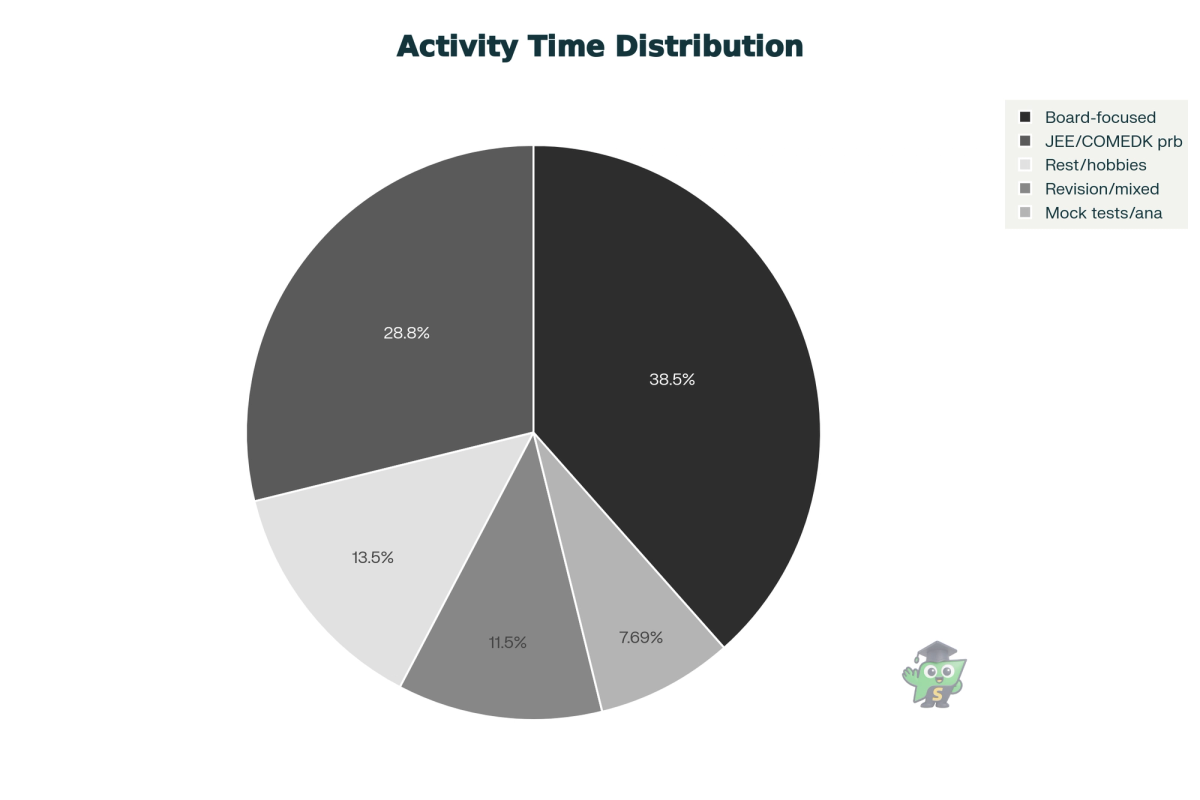
Weekly time split between board exam study, JEE Main/COMEDK preparation, revision, tests, and rest
More from Prof Sam
📌 How parents can guide without pressure
📌 When students should take a gap year
📌 How to handle confusion between multiple branches
📌 How to talk to teens about career choices
📌 Why many students regret their college choice
📌 How to know if coaching is actually needed
📌 When to seek professional counselling
📌 How early planning affects college admissions
📌 How parents can avoid common mistakes
📌 How to plan finances for four years of engineering
How Prof Sam reduces regret
Prof Sam’s role is to be a calm, experienced mentor who understands both your emotions and the technical side of engineering counselling India. Through one-to-one career counseling, the focus is first on your strengths, subject comfort, and long-term interests, so that branch confusion help becomes clear and personalised. This is where real “student decision making after twelve” happens, not just generic motivation talks.
Then comes exam and pathway planning: whether JEE Main fits you, how serious you should be about COMEDK, how to use TNEA wisely, and when NITs, IIITs or private universities make sense. Internal guides such as Complete Guide to Engineering Entrance Exams for Tamil Nadu Students, TNEA vs COMEDK, How to Choose Coaching for JEE in Tamil Nadu, and How to decide if a student must attempt a drop year extend this support. For students considering a drop year, guidance focuses on realistic routines, mental health, and backup plans, not pressure. The aim is simple: when you look back at your college choice, you should feel peace, not lifelong regret.
Need Personalized Guidance?
Book a consultation with Prof Sam and get expert advice tailored to your child's unique needs.
Book Your Consultation